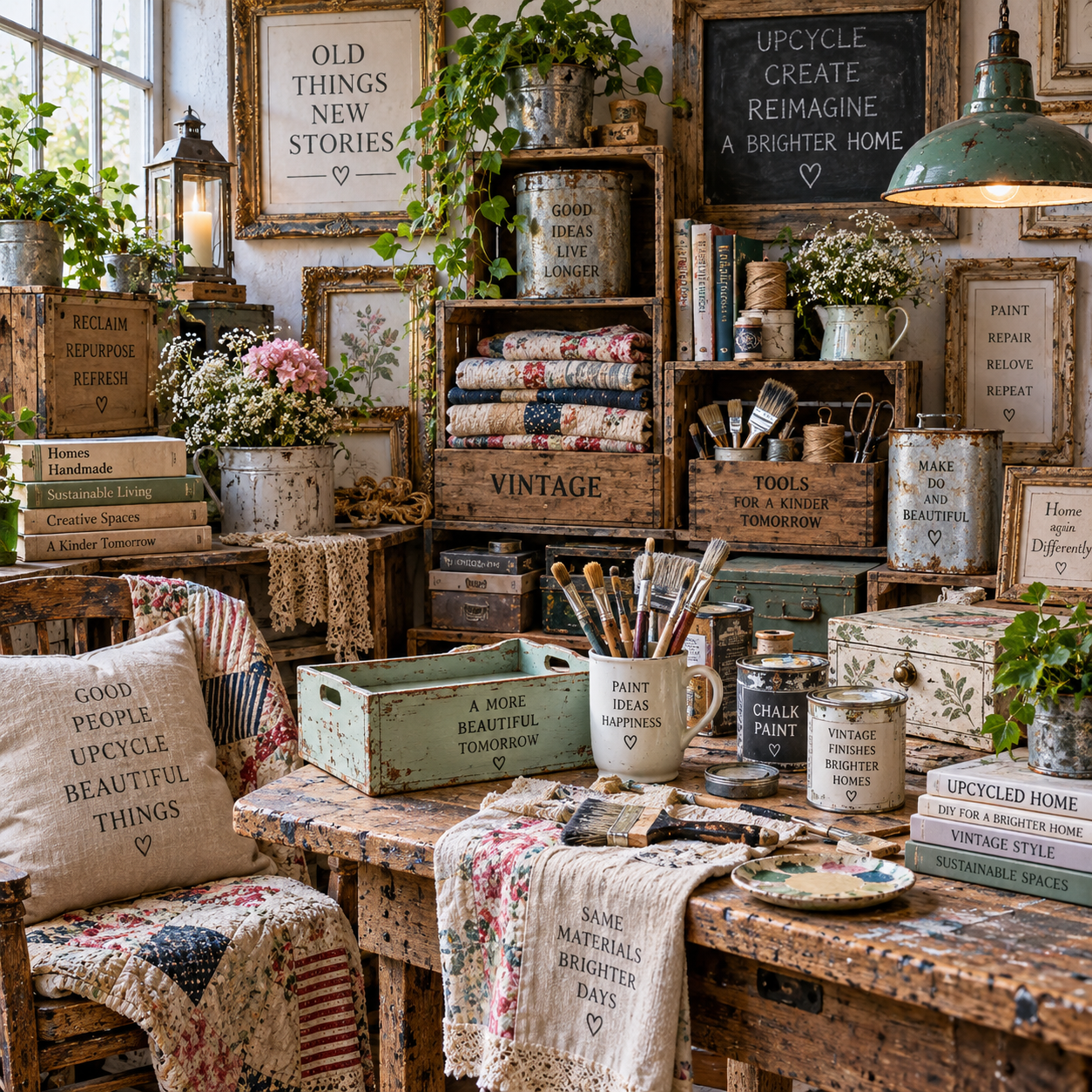


Step-by-Step Guide to Creating Custom Wall Art with Recycled Materials
Introduction to Custom Wall Art Using Recycled Materials
Custom wall art made from recycled materials offers a sustainable and personalized alternative to mass-produced décor. By repurposing discarded items into unique creative pieces, you not only reduce waste but also infuse your living space with meaningful, eco-friendly artwork.
This guide walks you through practical steps for sourcing, designing, and assembling your own recycled-material wall art, from simple DIY crafts to more imaginative compositions, perfect for anyone interested in sustainable art and home décor uplift.
Gathering and Preparing Recycled Materials
Choosing the right recycled materials is crucial for durable and attractive custom wall art. Start by collecting commonly available repurposed objects such as cardboard, old magazines, fabric scraps, wood offcuts, metal pieces, bottle caps, and plastic containers.
Ensure the materials are clean and in good condition. Washing or gently scrubbing items like glass or plastic helps remove dirt and oils that could interfere with adhesives. Flatten cardboard and trim rough edges for easier handling.
Look for materials with complementary colors, textures, and shapes to make your artwork visually interesting. The best recycled materials balance ease of use with creative potential, letting you craft pieces that reflect your vision while promoting sustainability.
Essential Tools and Supplies for DIY Wall Art
The basic crafting tools and adhesives you need for recycled wall art are inexpensive and often found at home. Key items include:
- Cutting tools: Scissors, utility knives, or craft blades for shaping materials precisely.
- Adhesives: Hot glue guns for quick bonding, strong craft glue for paper or fabric, and epoxy or super glue for heavier or non-porous materials.
- Backing supports: Canvas boards, sturdy cardboard, or reclaimed wooden panels to mount and stabilize your artwork.
- Marking tools: Pencils, fabric markers, or chalk for sketching designs and marking cut lines.
- Finishing tools: Sandpaper for smoothing edges and clear sealants or varnishes to protect the finished piece.
Having a well-organized toolkit ensures smoother crafting stages, no matter your experience level.
Design Planning and Sketching Your Wall Art
Effective design planning is the foundation of successful custom wall art. Start with simple sketches to visualize your composition, keeping in mind how different recycled materials will work together.
Experiment with layout variations by arranging your pieces loosely on the backing surface. Consider balance, color contrasts, and texture layering to create dynamic effects. Using grids or geometric shapes often helps organize abstract materials into cohesive patterns.
Don’t shy away from improvisation: sometimes the best creative techniques emerge by adapting as you craft. A well-thought-out design plan saves time and makes assembly more enjoyable.
Step-by-Step Assembly Instructions
To assemble your custom recycled wall art, follow these detailed steps:
- Prepare your workspace: Lay out materials and tools in an accessible, clean area with good lighting.
- Back your artwork: Choose a solid foundation like a wooden panel or thick cardboard. This support ensures durability during and after assembly.
- Start layering: Secure the largest or heaviest recycled pieces first with appropriate adhesives. For example, wood or metal parts usually require epoxy, while paper or fabric may only need craft glue.
- Add medium-sized elements: Build texture by gluing smaller components like bottle caps, scraps of fabric, or painted cardboard shapes.
- Focus on details: Use fine cutting tools to refine edges or create intricate patterns from recycled materials such as magazine clippings or thin plastic sheets.
- Allow drying time: Let glue or adhesive dry completely before moving or hanging the artwork, typically 24 hours.
- Optional embellishments: Paint, stain, or add recycled beads or buttons to enhance visual interest.
Following this assembly sequence balances strong structural support with artistic flexibility.
Finishing Touches, Sealing, and Display Ideas
Applying a protective sealant extends the lifespan of your recycled wall art. Clear acrylic spray, decoupage glue, or eco-friendly varnishes shield against dust, moisture, and fading.
When selecting a sealant, consider the type of recycled materials used and whether the piece will hang indoors or outdoors. Test sealants on a small section first to avoid discoloration.
For displaying, consider unconventional approaches to highlight the eco-friendly narrative of your custom wall art:
- Use natural wooden frames or reclaimed picture frames for added sustainability.
- Group smaller wall art pieces into a gallery cluster to create impact through repetition.
- Hang on textured walls like brick or reclaimed wood to complement the raw feel of recycled materials.
- Integrate functional elements such as hooks or shelves, so your art doubles as décor and storage.
These finishing touches and display ideas bring your sustainable art project full circle, creating a conversation piece that enriches your home décor.
Frequently Asked Questions
How do I choose the best recycled materials for wall art?
Choose materials that are sturdy, clean, and visually appealing. Consider texture, color variety, and weight to ensure they work well together and can be securely attached.
What adhesives work best for different recycled objects?
Hot glue is versatile for paper, fabric, and light plastics. Epoxy or super glue handles metal and wood better. Craft glue works well for porous materials and layering paper-based items.
Can I wash or clean recycled materials before using them?
Yes, gently washing plastic, glass, and metal removes dirt and oils that hinder adhesion. Dry materials thoroughly to prevent mold or warping.
How to prevent damage or degradation of recycled art over time?
Seal your finished piece with an appropriate varnish or clear coat. Avoid direct sunlight and humidity, which can fade colors or weaken adhesives.
What are some quick alternative ideas if I don’t have many materials?
Use items like pressed leaves, old postcards, fabric scraps, or even pages from old books to create minimalist yet unique wall art on a simple backing.
Creating custom wall art with recycled materials not only brings a fresh, sustainable touch to your home décor but also encourages resourcefulness and creativity. By carefully selecting repurposed objects and following these beginner-friendly steps, you can craft inspiring sustainable art that tells a story and reduces waste.